Some categories move through the world with a certain ease. In FMCG and QSR, the product behaves the same way every single time. Expectations are predictable, the experience is engineered for consistency, and marketing steps in to keep the product alive in people’s minds. It’s a simple rhythm: make it well, package it well, remind people it exists. There’s comfort in that kind of predictability.
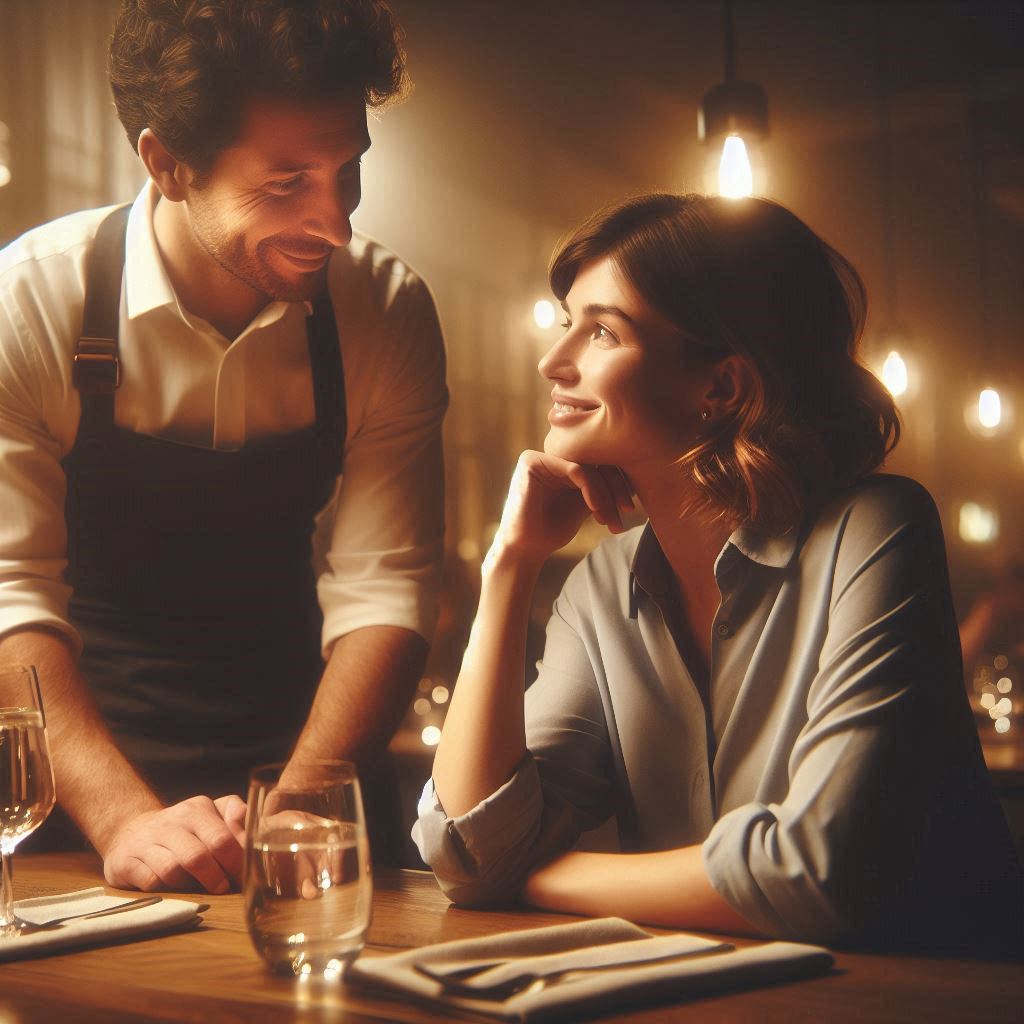
Hospitality lives in a different universe. The moment a human enters the frame, the equation shifts. Suddenly the experience isn’t just about what’s on the plate — it’s about what happens between people. A single interaction can lift an ordinary moment into something unforgettable, or quietly undo the best product in the room. And a guest who complains isn’t always a disruption; sometimes they’re the only one giving the brand a chance to realign. There’s a quiet generosity in that, if you look closely.
In hospitality, the product changes with every interaction because people are part of the product. You can’t standardise a human the way you standardise a recipe. Marketing can build the promise, but the lived experience decides whether that promise holds. And more often than not, what stays with someone isn’t the décor or the dish — it’s the person who showed up with sincerity.
Across categories, a pattern keeps repeating. When the intent behind an experience is clear, the interaction feels clearer, and the performance naturally follows. That’s the quiet logic behind TIP — not as a framework to promote, but as a way of understanding why some experiences feel aligned and others feel accidental. Hospitality has been operating on this principle long before it had a name.
You see echoes of this in places like VKB, where the experience isn’t just the menu or the music. It’s the way the environment, the staff, and the guest behaviour loop into each other. When these elements agree, the experience feels effortless. When they don’t, even the strongest product struggles to land. It’s a reminder that experience is rarely shaped by one big moment — it’s shaped by many small ones quietly working together.
Across every category, one truth keeps resurfacing. People remember how they felt. Not the asset. Not the process. Not the campaign. Just the moment that felt human. In the end, the moments people remember are the ones that made them feel seen — everything else is decoration.